
When you spend enough time around gaming floors and digital lobbies, the loudest moves rarely tell the whole story. The real patterns show up in the pauses, the timing, the way a session stretches past the original plan. That is what people mean when they talk about gambling hidden behaviour, and it is worth paying attention to before it becomes a habit. If you are comparing options, you will want a clear read on how a brand handles those signals day to day. We have kept the focus on the quiet stuff rather than the flashy promos, because that is where the actual experience lives. For a practical starting point on how a modern lounge presents itself, check the current game mix at starlight princess and see how the pacing feels before you commit any time.
How the Quiet Signals Actually Show Up
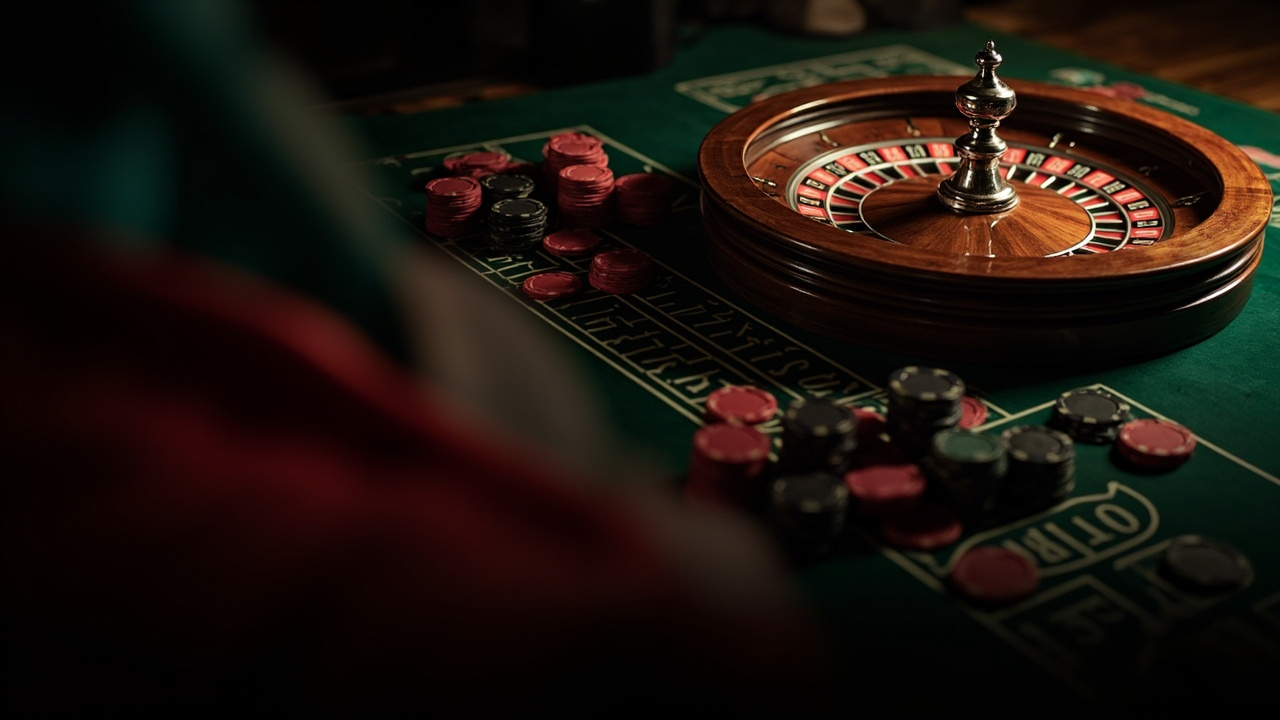
The first thing to understand is that hidden behaviour is not some secret code. It is the small drift between intention and action. You sit down for a short session on a video slot or a live table, then the rhythm changes – a slow loss, a bonus round that resets the mood, a coffee that turns into an hour. In Melbourne, where the weather can flip and a footy session can bleed into the arvo, those shifts happen fast and without much warning. A well-built room gives you readable cues: clear session timers, obvious balance updates, and limits that are set before the first spin rather than after. The brands that handle this well do not rely on dramatic warnings. They make the friction visible early, so you can notice the drift while you still have a clean exit. That is the difference between a room that feels fair and one that quietly stretches your patience.
Where the Brand Fits and Where It Does Not
gambling hidden behaviour as a category is not a single product, but when you look at a room like starlight princess, the positioning becomes clear pretty quickly. The core offer sits on familiar video slots and a handful of live tables, with providers that keep the math readable and the animations from running over the top. Two or three traits separate it from the louder rooms: the bonus mechanics are straightforward rather than layered with fine print, the currency and payment options are kept simple for local players, and registration is short enough that you are not clicking through a maze before you can even test the pace. Everyday usability is decent on mobile, which matters because most sessions here start on a phone between meetings or on the couch after work. The fit is solid for players who want a clean room with visible cues, less so for anyone chasing complicated reward ladders or stacked promos that shift the rules mid-session. It is a practical lounge, not a spectacle.
What a Strategy Eye Looks For in the Quiet Patterns
I have sat across the table from commercial teams in gaming and sports media long enough to know that retention is never about one big feature. It is about how a room behaves when the first excitement fades. In my experience, the rooms that hold up are the ones that treat hidden behaviour as a design problem, not a marketing problem. That means the session flow is obvious, the bonus terms do not quietly reset your sense of where you stand, and the support path is reachable without digging through three menus. I would rather see a room that is honest about its pace than one that dresses up a slow grind with bright colours. When I compare a lounge against a media product or a sports betting feed, the same rule applies: if the user cannot tell where they are in the session, the product is already working against them. A room that keeps the cues visible is doing its job, even if that job is simply letting you leave on your own terms.
The real work begins when the novelty wears off and you have to convince people to stay through habit rather than hype. That is where the insights from industry observers in Australia become invaluable for understanding the long game. It is less about launching and more about sustaining the culture around the product. Goldcoastbulletin
Local Habits, Payday Rhythms, and the Cost Pressure Around Them
The Australian context matters here because the timing of our lives is not even. Pay cycles, family costs, and the way a long weekend can stretch a session all feed into how hidden behaviour builds. On the Gold Coast and up the Queensland coast, the cadence is a bit more laid back, but the same drift shows up: a quiet night turns into a longer one, and the balance creeps in a direction you did not plan. Responsible gambling safeguards are not a slogan in this market; they are the practical checks that catch the drift early. That includes deposit limits, reality checks, and access to support before a session gets messy. Ava Young, Responsible Gambling Adviser at Boomerang Gaming Insights, has put it plainly: “The quiet shifts are where people lose their grip on the plan, so the room has to make those shifts visible instead of hiding them behind bright bonuses.” That is the kind of judgement call worth keeping in mind, especially when cost-of-living pressure makes every dollar feel like it has a job to do. A room that respects that reality is easier to walk away from when the arvo winds down.
Choosing a Room That Lets You See the Drift
If you are weighing up where to spend time, the question is not which room shouts the loudest. It is which one lets you read the room while you are in it. Look for clear balance updates, limits you can set before the first spin, and a mobile experience that does not hide the basics behind swipes and pop-overs. Check whether the bonus terms are simple enough to understand in a minute, because complicated rewards are where the drift often starts. The everyday usability matters more than the headline offer, since most sessions are short and ordinary, not cinematic. If the room keeps the cues visible and the exit paths obvious, it is doing the honest work. If it leans on noise and layered promos, the quiet behaviour gets harder to spot. That is the practical test, and it is the one worth using before you settle into any lounge.
A good room does not pretend the quiet shifts are not there. It gives you enough visibility to notice them, enough structure to act on them, and enough honesty to let you walk away when the night has done enough. That is the fit most people actually need, especially when the session starts as a short one and the evening is already busy as it is.